Every soul carries the blessings, sacrifices and love of those who came before. Pitru Paksha is the sacred fortnight when we pause to remember our forefathers, thank them for the gift of life, and pray that their journey continues in peace. For ISKCON Bhiwandi's community of devotees, this period is a reminder that gratitude is one of the purest forms of faith.
What is Pitru Paksha?
Pitru Paksha, literally the fortnight of forefathers, is a fifteen-day window in the Hindu lunar calendar dedicated to honouring one's ancestors, known as "Pitrs". It begins on the full moon day of Bhadrapada and closes on the new moon day of Ashwin, when departed souls are believed to draw close to their descendants in hope of remembrance and offerings. Families reflect on their lineage and perform Shraddha, the sacred ceremony of remembrance for departed elders, expressed through humble, heartfelt service and prayer.
Pitru Paksha 2026 Date & Tithi
In 2026, Pitru Paksha begins with Purnima Shraddha on Saturday, 26th September, continuing through to Sarva Pitru Amavasya, also called Mahalaya Amavasya, on Saturday, 10th October. Each day corresponds to a specific lunar tithi, and families traditionally perform Shraddha on the tithi matching the day their ancestor departed. The final day holds special importance, allowing devotees to honour all ancestors together, including those whose passing date is unknown.
Significance of Pitru Paksha
In the Vedic understanding of life, every soul owes three sacred debts: one to the sages, one to the Lord, and one to the ancestors who nurtured the family line. Pitru Paksha is when this debt, "Pitru Rina", is repaid with love, and a sincere offering during this period brings peace to the departed soul and blessings upon the family.
Scriptures such as the Srimad Bhagavatam remind us that our ancestors' wellbeing and our own spiritual progress are connected, as seen in the story of Maharaja Pandu and his sons' efforts on his behalf. Beyond ritual, Pitru Paksha teaches humility, the understanding that we are but a link in a larger chain of love.
The longing to thank a parent, grandparent or elder who has passed is universal, and Pitru Paksha gives that longing a structured expression, reminding us that love for family does not end with death. This is why devotees far from India continue observing this fortnight through simple prayer, charity and reflection.
Key Rituals (Shraddha, Tarpan, Pind Daan)
The rituals observed during this fortnight are simple yet profound, and every act carries symbolic meaning.
Shraddha is the central ceremony, a heartfelt offering made with faith on behalf of one's ancestors. The word comes from the Sanskrit root meaning faith, and it is this faith, not ritual elaborateness, that matters most. It typically includes prayers, offering food to Brahmanas or those in need, and remembering the departed soul's name and virtues.
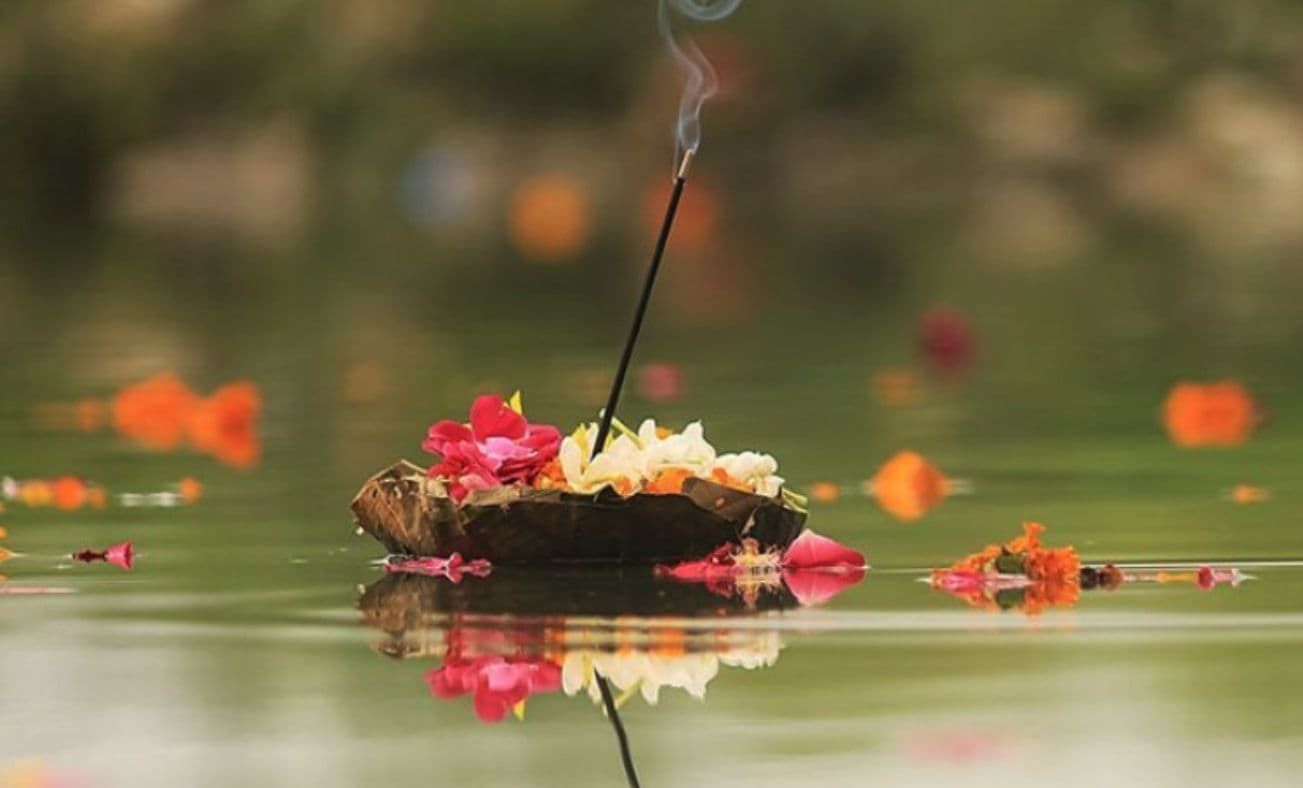
Tarpan is an offering of water mixed with black sesame seeds and kusha grass, poured with cupped hands while chanting the ancestor's name, considered purifying and among the most widely practised rites.
Pind Daan, offered especially at sacred places such as Gaya, involves offering rice balls to help the soul continue peacefully on its journey. While pilgrimage is auspicious, the same devotion can be expressed at home as well. Families are also encouraged to practise charity, feed the hungry, and care for cows and birds, acts believed to please the Lord and comfort departed souls.
During this fortnight, many families keep their diet simple and sattvic, avoiding festivities such as weddings or new purchases, while continuing regular worship. This gentle discipline creates a reflective atmosphere, and even small gestures, such as lighting a lamp in a grandparent's name, become part of one's Shraddha observance.
ISKCON's Perspective on Honoring Ancestors
Within the Gaudiya Vaishnava tradition that ISKCON follows, honouring one's ancestors is never separate from devotion to the Supreme Lord, Sri Krishna. Srila Prabhupada explained that true benefit for our forefathers comes not from ritual formality but from directing the merit of our devotional acts toward their upliftment.
When we perform Annadaan, feed the needy, chant the holy names, or engage in Sadhu Bhojan, that merit can be offered for the peace and progress of our departed family. This shifts the focus of Pitru Paksha from ritual alone to genuine bhakti, reminding us that the highest gift we can offer our ancestors is a life of devotion, shared with them through prayer and seva.
Celebration at ISKCON Bhiwandi
At ISKCON Bhiwandi, devotees are lovingly welcomed to observe Pitru Paksha through meaningful seva, carrying forward this spirit of gratitude. Every year, the temple invites devotees to sponsor Annadaan for the underprivileged and support Sadhu Bhojan in honour of their forefathers, dedicating the merit to the peace of departed souls. You may explore these seva offerings, whether feeding those in need, supporting the Annadaan kitchen, or offering a puja in your ancestor's name through our online puja booking service.
Devotees visiting the temple often find comfort in the kirtans and the darshan of Sri Sri Radha Madhava. Many families visit in person to offer seva, while those far away, including devotees abroad, participate just as meaningfully through our online seva options, ensuring distance never becomes a barrier to devotion.
We warmly invite you to be part of this fortnight of gratitude, and to discover more on our Food for Life page, or browse our devotional writings on the ISKCON Bhiwandi blogs page.
Whichever way you choose to remember your forefathers this year, ISKCON Bhiwandi stands ready to walk this journey beside you, as one loving family united in devotion.